
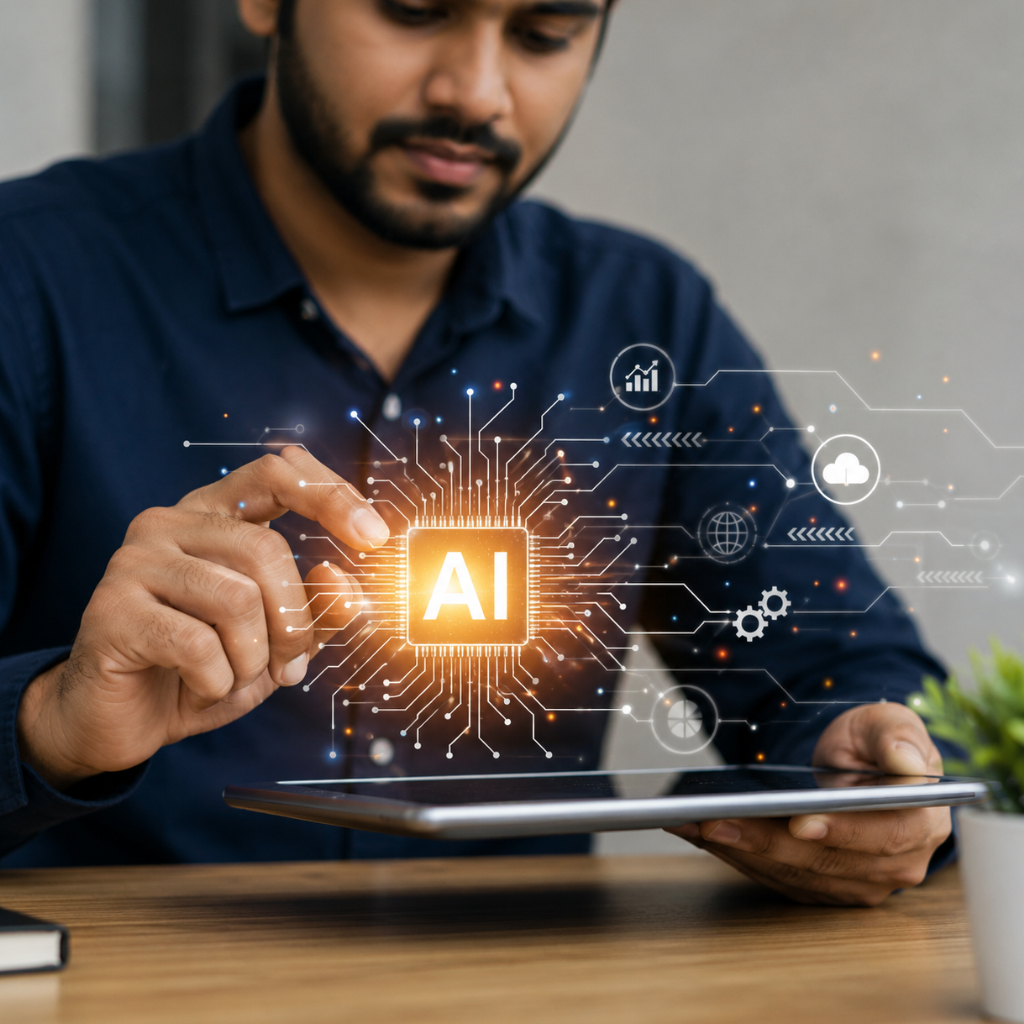
How AI and algorithms are reshaping the way we work. From task assignment to performance evaluation, understand the shift toward data-driven management.
We see our daily needs from cab-hailing to food/grocery delivery done through apps in smart phones. They are multiplying to cover anything from lightning fast delivery to micro tasking. It’s hard to recall when “the algorithm” become part of our everyday life.
But, this has led to an another peculiar issue related to workforce management. Millions of workers are managed by algorithms. The International Labour Organisation estimates that worldwide, there are now about 800 digital platform companies.
“Algorithmic Management” is key to how these platforms work. Workers are not managed by human bosses, but are optimally matched by a platform with customers and tasks. And, this in the name of efficiency.
Globally, gig workers still consider their job better than traditional employment, defined by flexibility and a decent income. But algorithmic management has its own pitfalls. Foremost being lack of transparency, allocating tasks, openness in rate calculation, performance evaluation, summary suspension, etc.
Why is this important?
Off late, algorithmic management is not confined to digital labour platforms. Today, tech-enabled tracking and surveillance tools are deployed in manufacturing, retail, warehouse, logistics and many such businesses to collect data about the performance of the employees.
“According to a report by Deloitte, 56% of Indian organisations have already started adopting artificial intelligence and automation in HR management while another 33% plan to do so in the next 3–5 years.”
These practices have big impact on employees’ well-being, income and autonomy. We need to preserve the benefits of the gig work while mitigating its harmful effects to ensure the welfare of the whole workforce.
We can elevate the worker rights for all, including stronger digital and data rights, protecting workers against more widespread and harmful algorithmic management practices. Countries like that of India, have delinked worker protections from worker status, which accords greater protection for gig workers without undermining their flexibility.
Worldwide, the workforce — both those in gig and standard employment — is expecting greater flexibility & stability.